What Happens After Tree Removal? A Complete Guide
So a tree has been removed from your property. The trunk is gone, the branches have been chipped, and the crew has left. But there is still a stump in the ground, a patch of bare earth, and a gap in your yard that was not there yesterday. What happens next?
This guide covers everything you need to consider after a tree removal, from dealing with the stump to making the most of your newly available space.
Step 1: The Stump
After removal, you will be left with a stump — typically cut as close to the ground as practical by the tree crew. You have a few options.
Stump Grinding (Recommended)
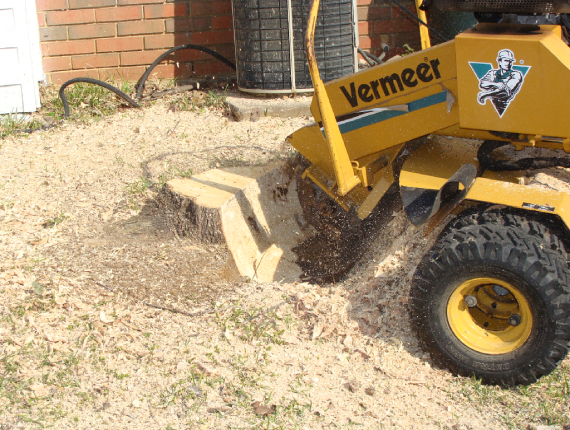
Stump grinding is the most common and practical solution. A stump grinder chips away the stump and major surface roots to about 200 to 300 millimetres below ground level. The resulting hole is backfilled with the wood chip grindings and topped with soil if needed.
Stump grinding removes the trip hazard, prevents the stump from attracting termites and other pests, stops suckering regrowth, and allows you to turf, garden, or build over the area.
Most stumps can be ground on the same day as the tree removal, or we can come back and do it separately.
Leave the Stump
If the stump is in an out-of-the-way location and does not cause any issues, you can leave it in place. Be aware that it will take many years to decompose naturally, it may attract termites, and many species will send up sucker shoots around the base for years.
Chemical Treatment
Applying a herbicide like glyphosate to a freshly cut stump can prevent regrowth. This does not remove the stump, but it stops the root system from sending up new shoots. It is an option if you want to leave the stump but prevent suckering.
Step 2: Site Rehabilitation
After the stump has been dealt with, you have a bare patch of ground that needs some attention.
Soil Condition
The area around a former tree will have soil that is full of root material and may be compacted from the removal process. If you plan to turf or garden the area, it is worth raking out any remaining wood chip grindings that are more than a few centimetres deep, adding a layer of quality topsoil, and levelling the surface.
Wood chip grindings from stump grinding will decompose over time, but in the short term they can draw nitrogen from the soil as they break down. If you are planting into this area, add some nitrogen-rich fertiliser or compost to compensate.
Drainage
Removing a large tree changes the water dynamics on your property. The tree was absorbing significant amounts of water through its root system. Without it, that water stays in the soil. You may notice the area becomes wetter, or that drainage patterns in your yard shift. Keep an eye on this, particularly in the first wet season after removal.
Sunlight Changes
A gap in the canopy means more sun reaching the ground. This can be a benefit — it opens up opportunities for new planting, lawn areas, or outdoor living spaces. But it can also mean that previously shaded areas (including parts of your house) are now in direct sun. Consider how this affects your energy use and comfort.
Step 3: Your Options for the Space
With the tree gone and the site rehabilitated, you have a blank canvas. Here are the most common things our clients do with the space.
Turf and Lawn
The simplest option. Level the area, lay turf, and extend your lawn. This works well if the tree was in a yard area and you want more usable open space.
New Planting
If you want to replace the tree, choose a species that suits the space. Think about the mature size of the tree, its root system, proximity to structures, and how much shade or screening you want. A local nursery or your arborist can recommend species that work well for your area. If council required a replacement planting as a condition of the removal permit, make sure the species meets their requirements.
Garden Beds
The area where a tree grew often has great soil underneath (once the root material decomposes). It can make an excellent garden bed. Raised beds work particularly well over former stump sites.
Outdoor Living
If the tree removal has opened up space and improved sun exposure, consider using the area for an outdoor entertaining space, children's play equipment, or a shed.
Step 4: Check the Rest of Your Trees
Removing one tree can change the conditions for surrounding trees. Trees that were sheltered from wind by the removed tree are now more exposed. Trees that competed for light may shift their growth pattern. It is worth having an arborist do a quick check of neighbouring trees to make sure none have issues that the removal may have highlighted or worsened.
Need Help With the Next Steps?
At Certified Tree Service, we do not just cut trees down and leave. We can handle the full process — removal, stump grinding, site clean-up, and advice on what comes next. Contact us to discuss your project or call 0485 004 144.