
Site Preparation for New Builds: How Tree Clearing Works
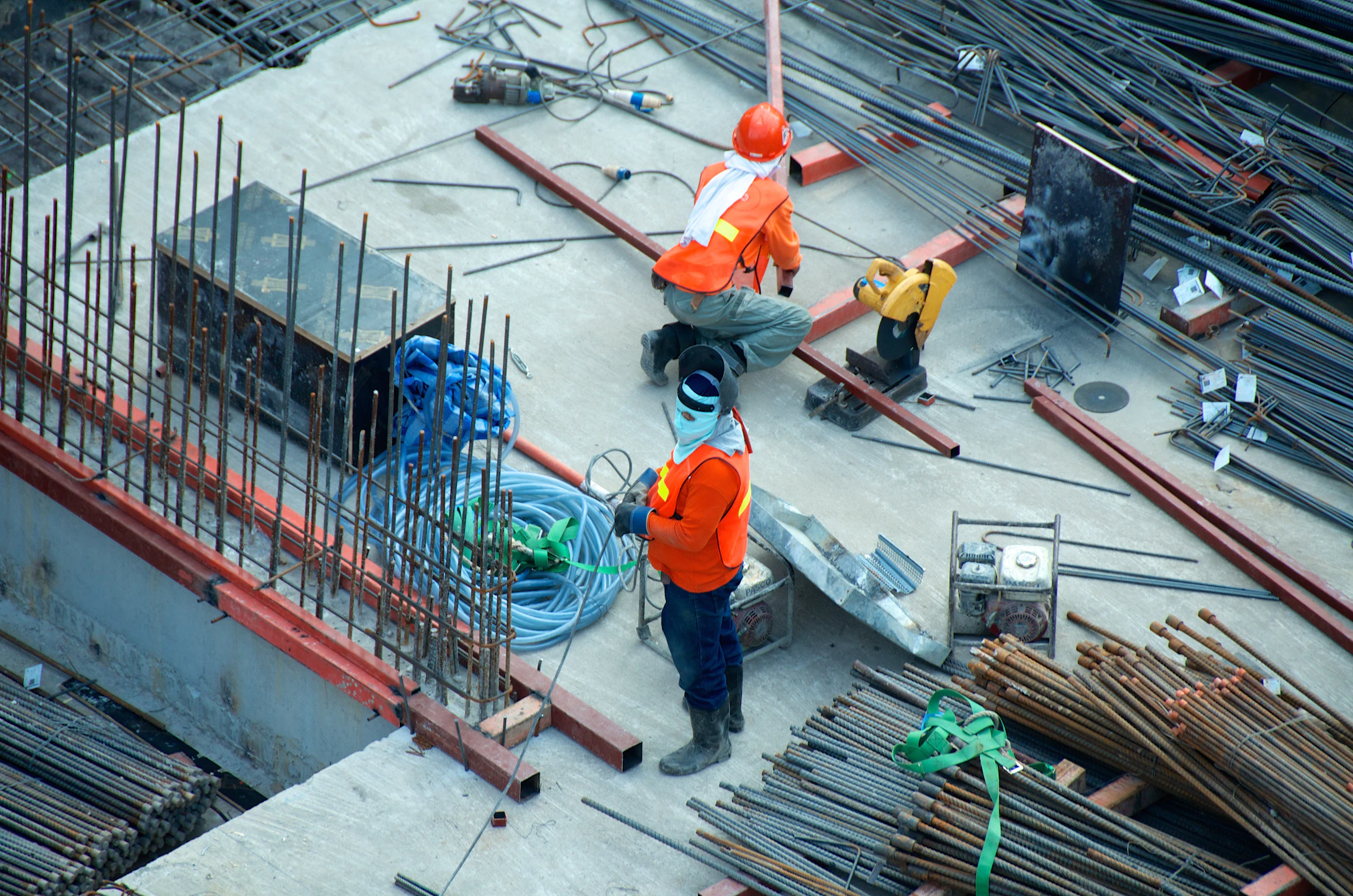
Site preparation tree clearing for new builds involves the systematic removal of trees, stumps, and vegetation from a construction footprint in accordance with an approved Development Application (DA), typically completed in staged phases to maintain erosion control and comply with council conditions. It is one of the first physical steps in turning a block of land into a building site.
Over the past 13 years, I have cleared sites for new homes, duplexes, granny flats, and subdivisions right across the Central Coast, Lake Macquarie, and the Hills District. The process is more involved than most people expect, so here is a practical guide to how it works and what to expect.
Step 1: Understanding Your DA and Approved Plans
Before we touch a single tree, I review your approved DA drawings and any conditions of consent related to vegetation. The DA will specify:
- Which trees are approved for removal (usually marked on a survey plan)
- Which trees must be retained and protected during construction
- Any required offset planting or landscaping conditions
- Erosion and sediment control requirements
- Whether a pre-clearing fauna assessment is needed
This step is critical. Clearing a tree that is marked for retention on your DA can trigger compliance action from council, stop-work orders, and fines. I coordinate directly with your builder or project manager to make sure we are all working from the same plans.
Step 2: Pre-Clearing Site Assessment
I conduct an on-site walkthrough to plan the clearing operation. This covers:
- Access routes for machinery — where trucks and grinders can enter and exit without damaging neighbouring properties or retained trees
- Tree protection zones (TPZs) — setting up temporary fencing around trees marked for retention, in accordance with AS 4970-2009 (Protection of Trees on Development Sites)
- Hazard identification — overhead powerlines, underground services, slopes, and neighbouring structures
- Fauna checks — looking for nesting birds, possums, or other wildlife that may need to be managed before clearing begins
On heavily vegetated blocks in areas like Lisarow, Niagara Park, or Springfield, this assessment can save significant time and avoid problems during the clearing phase.
Step 3: Tree Removal — Staged Clearing
We do not clear everything at once. Staged clearing is better practice and often a council requirement. The typical sequence is:
Phase 1: Understorey and Small Vegetation
We clear shrubs, scrub, and small trees first. This opens up access for larger machinery and gives us clear sight lines for felling bigger trees safely.
Phase 2: Main Tree Removal
Larger trees within the approved clearing zone are removed using a combination of:
- Sectional dismantling — climbing and rigging techniques for trees near boundaries, retained trees, or structures
- Mechanical removal — using excavators with grab attachments on open sites where there is room to fell and process trees at ground level
All timber is processed on site — trunks are cut into manageable lengths and either removed or mulched. We chip branches into mulch that can be used for erosion control on the site.
Phase 3: Stump Grinding or Extraction
Once trees are down, stump grinding removes the stumps below grade. For building sites, we typically grind to 300–500mm depth to ensure stumps are well below slab and footing levels. In some cases — particularly where deep piers or strip footings are planned — full stump extraction using an excavator may be necessary.
If you want to understand the stump grinding process in detail, I have written a complete guide to how stump grinding works.
Step 4: Erosion and Sediment Control
This is non-negotiable. Once vegetation is removed, exposed soil is vulnerable to erosion — particularly on the Central Coast where we get heavy rainfall events through summer and autumn. Council conditions will typically require:
- Sediment fencing (silt fence) installed downslope of cleared areas
- Stabilised site access to prevent mud tracking onto roads
- Mulch cover on exposed soil — we use the chip material from cleared trees for this purpose
- Diversion drains or berms on sloped sites
On steep blocks — common in areas like Kincumber, Avoca Beach, and Valentine — erosion control is especially important. Poor management can result in sediment washing into waterways, which triggers EPA involvement and significant fines.
Step 5: Tree Protection During Construction
If your DA requires trees to be retained, those trees need active protection throughout the construction phase, not just during clearing. We install:
- Tree protection fencing at the drip line or calculated TPZ, whichever is greater
- Ground protection (rumble boards or mulch mats) if machinery needs to operate within the TPZ
- Signage identifying protected trees and exclusion zones
I can prepare a Tree Protection Plan as part of your project documentation. Builders are generally good at respecting these zones once they are clearly marked — the key is getting them in place before the first excavator rolls onto site.
Working with Builders and Project Managers
Coordination with your builder is essential. In my experience, the smoothest site clearing jobs happen when:
- I receive the DA plans and site survey before quoting
- Clearing is scheduled to align with the construction timeline — too early and the site sits exposed to erosion; too late and you delay the build
- We agree on access routes and staging areas so clearing does not compromise future construction access
- Retained trees and their protection zones are discussed and understood by all trades
I work with builders across all our service areas — from land clearing in Hornsby to projects across the Central Coast and Lake Macquarie. If your builder wants to speak with me directly, I am always happy to coordinate.
Common Mistakes to Avoid
Having seen hundreds of site preparations, these are the mistakes that cause the most problems:
1. Clearing before DA approval — even if you are confident the DA will be approved, clearing early is unauthorised and can result in penalties. See our guide to land clearing permits for details.
2. Ignoring tree protection zones — damage to retained trees can breach DA conditions and result in council enforcement
3. Poor erosion control — leads to neighbour complaints, council notices, and environmental damage
4. Not checking underground services — hitting gas, water, or telecommunications lines during stump grinding or extraction is avoidable with a proper Dial Before You Dig check
5. Leaving stumps too high — if stumps are not ground deep enough, they interfere with slab preparation and footings, causing expensive rework
Ready to Clear Your Building Site?
If you have a new build coming up and need the site cleared properly, give me a call on 0485 004 144 or send your DA plans through via our contact page. I will review the plans, visit the site, and provide a detailed quote covering clearing, stump removal, and erosion control — everything you need to hand your builder a clean, compliant site.