Is This Tree Dangerous? 7 Warning Signs Central Coast Homeowners Should Know
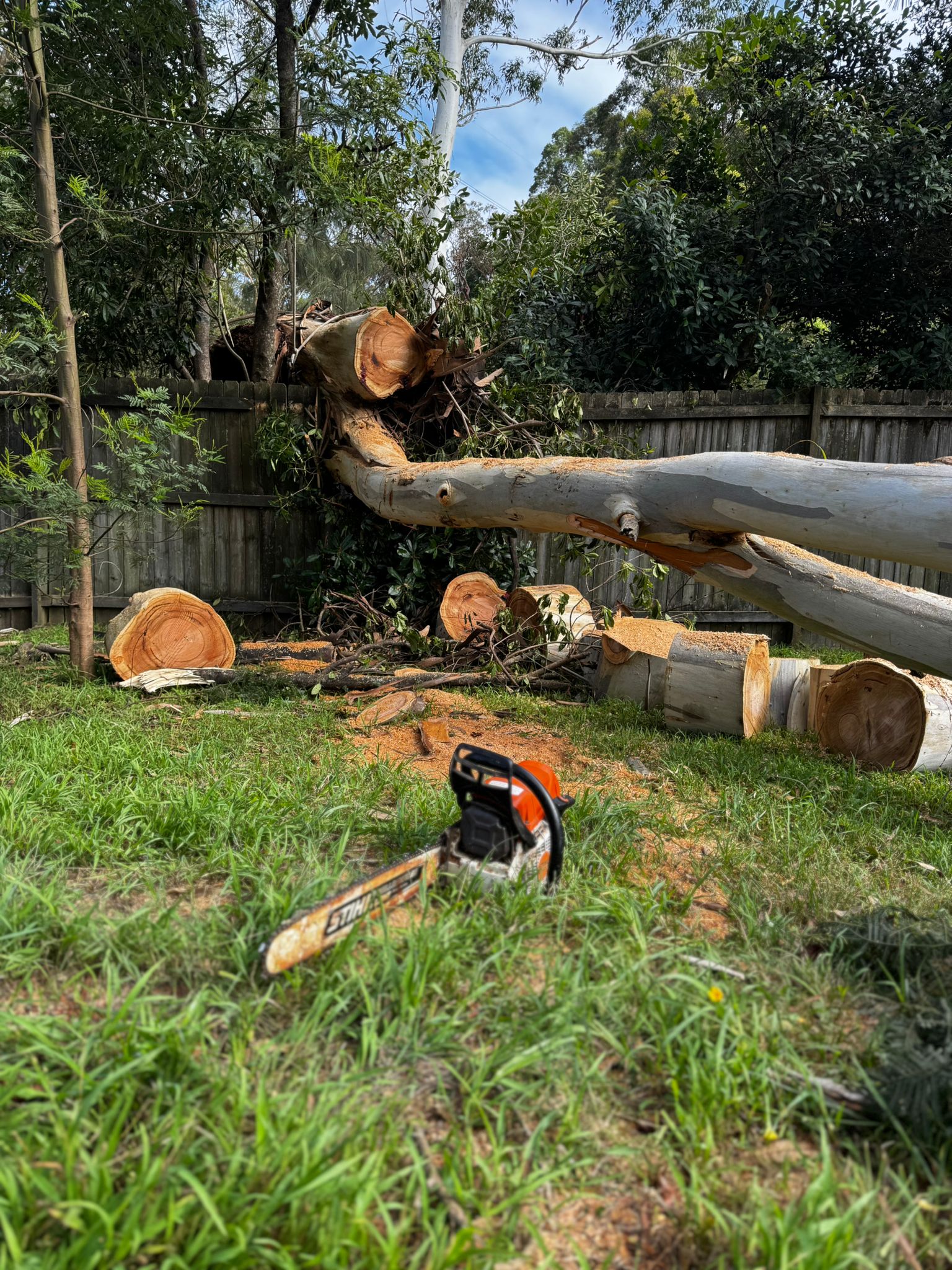
Trees are one of the best things about living on the Central Coast. They provide shade, privacy, and character to our properties. But a tree that is failing or structurally compromised can become a serious hazard — especially during the storm seasons we get here in NSW.
As a certified arborist with over 13 years of experience, I have seen the damage that a neglected dangerous tree can cause. Fallen limbs through roofs, trees across driveways, root systems undermining retaining walls. The good news is that most tree failures give warning signs well before they happen. Here are seven things every Central Coast homeowner should watch for.
1. Dead Branches in the Canopy
Dead branches — also called deadwood — are one of the most common hazards. They are unpredictable. A dead branch can fall in calm weather with no warning at all because the wood has dried out and become brittle. Look up into your tree's canopy. If you see branches with no leaves (during the growing season), peeling bark, or a noticeably different colour to the surrounding healthy wood, you likely have deadwood that needs professional removal.
2. Significant Lean That Has Changed
Many trees grow at a slight lean naturally, and that is perfectly fine. What you want to watch for is a lean that has changed — particularly if the tree has started leaning more after a storm or heavy rain. A sudden change in lean can indicate root failure. Check the base of the tree on the side it is leaning away from. If you see cracked or heaving soil, exposed roots, or a gap between the trunk and the ground, that is a red flag. Call an arborist immediately.
3. Fungal Growth at the Base or on the Trunk
Mushrooms or bracket fungi growing on or around the base of a tree are a strong indicator of internal decay. The fungi are feeding on dead wood inside the trunk or roots, which means the tree's structural integrity may be compromised from the inside out. You cannot see this decay by looking at the outside of the tree, which is why fungal growth is such an important warning sign. Do not ignore it.
4. Cracks or Splits in the Trunk
Vertical cracks running up the trunk or deep splits where major branches meet the trunk are structural weaknesses. These can worsen over time, particularly under wind load or the weight of a wet canopy after rain. A single crack may be manageable, but multiple cracks, or a crack combined with other warning signs, indicates a tree that needs professional assessment.
5. Bark Falling Off or Missing
Healthy trees maintain a continuous layer of bark. If large sections of bark are falling off, exposing dead wood underneath, the tree is likely dying or already dead in that area. This is different from natural bark shedding that some species like paperbarks and certain eucalypts do — you will know the difference because the exposed wood looks dry, dark, and lifeless rather than fresh and green.
6. Root Damage or Soil Disturbance
Roots are the foundation. If construction, excavation, or major landscaping has occurred within the drip line of a tree (the area directly below the outer edge of the canopy), the roots may have been damaged. Trees can take years to show the effects of root damage, and when they do fail, it is often catastrophic. Also watch for root heave — raised soil on one side of the tree that suggests the root plate is lifting.
7. Proximity to Your Home or High-Traffic Areas
A tree does not have to be unhealthy to be dangerous. A large, healthy tree positioned directly over your house, children's play area, driveway, or a neighbour's property carries inherent risk simply due to its location. If a heavy branch or the tree itself were to fail, the consequences could be severe. The closer a tree is to a target — your home, a fence, a car, or a person — the higher the risk.
What Should You Do?
If you have noticed one or more of these warning signs, do not wait for a storm to make the decision for you. Contact a certified arborist to assess the tree properly. Not every tree with warning signs needs to come down — sometimes strategic pruning or a management plan is enough. But the assessment itself is critical.
At Certified Tree Service, we offer free on-site safety assessments across the Central Coast. Daymian will inspect your trees, explain what he finds in plain English, and give you honest recommendations — no pressure, no upselling. If the tree needs to come down, we will handle the removal safely. If it can be saved with proper care, we will tell you that too.
Your trees should give you peace of mind, not keep you up at night during a storm. Take the time to walk your property, look up, and check for these signs. And if anything concerns you, give us a call on 0485 004 144.