
Annual Tree Maintenance Planner for Central Coast Homes
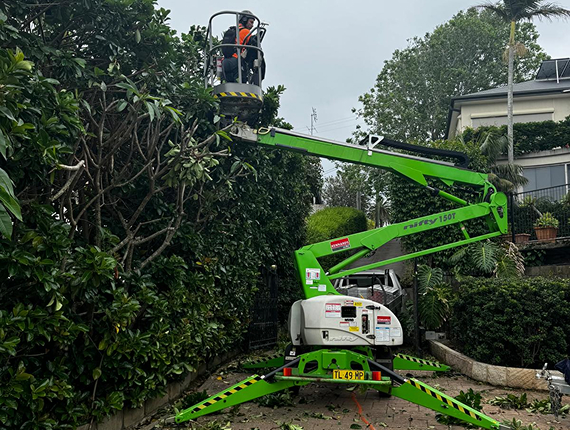
Keeping your trees healthy and your property safe is not a one-off task — it is an ongoing commitment. The good news is that a little regular attention goes a long way. By following a simple seasonal schedule, you can catch problems early, reduce storm risk, and keep your trees in great shape year-round.
Here is a practical month-by-month tree maintenance planner tailored for Central Coast homeowners. These guidelines also apply broadly across Newcastle and Sydney, with minor seasonal variations.
Summer (December - February)
December: Storm Season Preparation
Summer storms on the Central Coast can be fierce. December is the time to make sure your trees are ready.
- Walk your property and look up into every tree canopy. Look for dead branches, hanging limbs, and branches overhanging your roof or driveway.
- Check for deadwood — dry, leafless branches are the first to come down in a storm.
- Clear gutters of leaf litter to prevent water damage during heavy rain.
- If you see anything concerning, book a professional assessment now — arborists get busy once storm season hits.
January: Monitor During Storm Events
January is peak storm season. After any significant weather event:
- Inspect your property from a safe distance for fallen or damaged branches.
- Do not approach damaged trees — they can be unpredictable. Call a professional if a tree has been affected.
- Document any damage with photos for insurance purposes.
- Check fences and structures for damage from falling branches.
February: Post-Storm Assessment
As the worst of storm season passes, it is a good time to assess the aftermath.
- Schedule a professional arborist inspection if any trees were damaged or stressed during summer storms.
- Look for new leans — trees that shifted during storms may need assessment.
- Check for soil erosion around tree bases after heavy rainfall.
Autumn (March - May)
March: Pruning Season Begins
Autumn is an excellent time for tree pruning. The intense summer growth has slowed, and the tree can focus energy on healing pruning wounds before winter.
- Schedule routine pruning for trees that need crown thinning, deadwood removal, or clearance work.
- Address any storm damage that was identified over summer but was not urgent enough for emergency response.
- Clear fallen leaves and debris from around tree bases and garden beds.
April: Deciduous Tree Assessment
If you have deciduous trees on your property, April is when they start dropping leaves — and that means you can see their structure clearly.
- Inspect branch structure — crossing branches, weak forks, and dead limbs are easy to spot without leaf cover.
- Note any concerns for your arborist to address during their next visit.
- Rake and remove leaf litter to reduce fungal issues and pest habitat.
May: Pre-Winter Check
Before winter sets in:
- Ensure no branches are rubbing against your roof, gutters, or walls. Winter winds can turn a touching branch into a damaging one.
- Check young trees for staking and support. Windy winter conditions can stress young root systems.
- Mulch around tree bases (but not touching the trunk) to insulate roots and retain moisture through cooler months.
Winter (June - August)
June: Planning and Booking
Winter is the quieter season for tree growth, making it a good time for planning.
- Book non-urgent tree work for winter or early spring while arborists have better availability.
- Review your property's tree inventory — which trees are healthy? Which need attention? Which might need removal in the coming year?
- Consider stump grinding for any old stumps that have been sitting around. Winter is a great time for stump grinding as the ground conditions are usually good.
July: Structural Pruning
Mid-winter is ideal for structural pruning on deciduous species because the tree is dormant and the branch structure is fully visible.
- Schedule structural pruning for any deciduous trees that need shaping or corrective work.
- Avoid heavy pruning on evergreen natives during winter — they are better pruned in late autumn or early spring.
August: Spring Preparation
Late winter is the time to prepare for the spring growth flush.
- Final inspection of all trees before spring growth obscures the branch structure.
- Remove any remaining deadwood before spring winds pick up.
- Check for pest and disease signs — scale, borers, and fungal infections can be identified before spring growth masks them.
Spring (September - November)
September: Growth Season Begins
Trees come alive in spring, and it is a great time to assess overall health.
- Watch for canopy fullness — trees that fail to produce a full canopy in spring may be in decline.
- Check new growth for signs of pest damage, disease, or nutrient deficiency.
- Spring is the best time for planting new trees if you removed any over winter.
October: Active Management
With trees in full growth:
- Monitor fast-growing species that may need clearance pruning before summer.
- Check for branches growing towards powerlines or structures.
- Assess fruit trees for weight load — heavy fruiting can cause branch failure.
November: Pre-Summer Final Check
Before the cycle returns to summer storm season:
- Book a pre-summer arborist inspection for any trees you are concerned about.
- Prioritise deadwood removal before December storms.
- Clean gutters one more time before the wet season begins.
- Ensure your arborist's number is saved in your phone for storm emergencies.
Build a Relationship With Your Arborist
The best tree maintenance is proactive, not reactive. Having a trusted arborist who knows your property and your trees makes everything easier. At Certified Tree Service, we build long-term relationships with our clients. Daymian gets to know your property, tracks the health of your trees over time, and provides honest advice about what needs attention and when.
Contact us to schedule your first property assessment, or call 0485 004 144 to have a chat about your trees. We service the entire Central Coast, Newcastle and Lake Macquarie, and Sydney's North Shore and Hills District.